teaching
University of British Columbia (Graduate): Information and Analysis in Planning (PLAN 506)
The objective of this course is to help students become critical consumers, competent producers, and effective communicators of information in the field of planning. The course covers the basics of quantitative and qualitative data and analysis methods to help students gain skills they can apply while working as planners. The course also introduces critical perspectives of how analysis and information are used within planning and policy processes tostrengthen students’ ability to recognize the limitations of these tools.
Students learn about the fundamentals of analysis design and implementation, with a focus on evaluating different approaches to gathering planning-related information. This includes: basic of use of GIS, Statistics Canada data sets, field observation and site reconnaissance, population forecasting methods, and survey design and analysis with basic inferential statsitics.
The course is designed to promote learning-by-doing: Students learn concepts through lectures, readings, and discussion, and apply them in in-class exercises and practical assignments.
University of British Columbia (Undergraduate): Community Planning in a World of Diversity (PLAN 361)
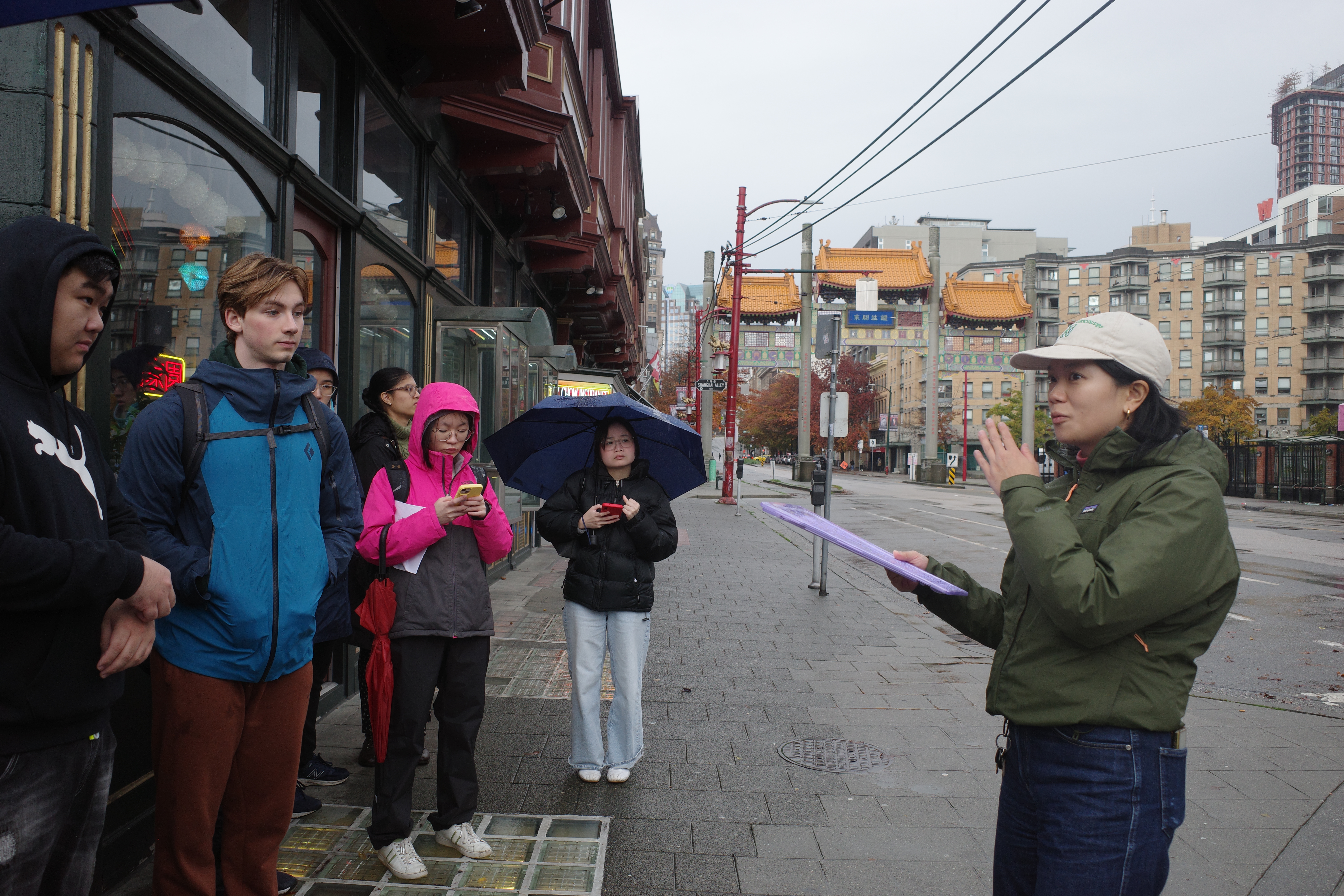
This course examines the ways that planners might understand their roles in mediating conflicts, incorporating differing priorities, facilitating understanding, and guiding policies and plans to create inclusive places where many different people can thrive. This course centers place-based, embodied learning. Place-based refers to the specific, local conditions that shape the experience of place.
The course uses the City of Vancouver as an excellent context to explore issues of diversity, multiculturalism, and cosmopolitanism. Students participate in walking tours, neighbourhood site visits, and embodied experiences with Indigenous elders. They also use facilitated case-based learning from other places throughout to consider dilemmas and themes underlying planning in a world of diversity, and by the end of the semester, develop their own case-based learning case to facilitate peer learning about key tensions relating to planning in a world of diversity.
Virginia Tech (Graduate) Collaborative Planning and Community Engagement
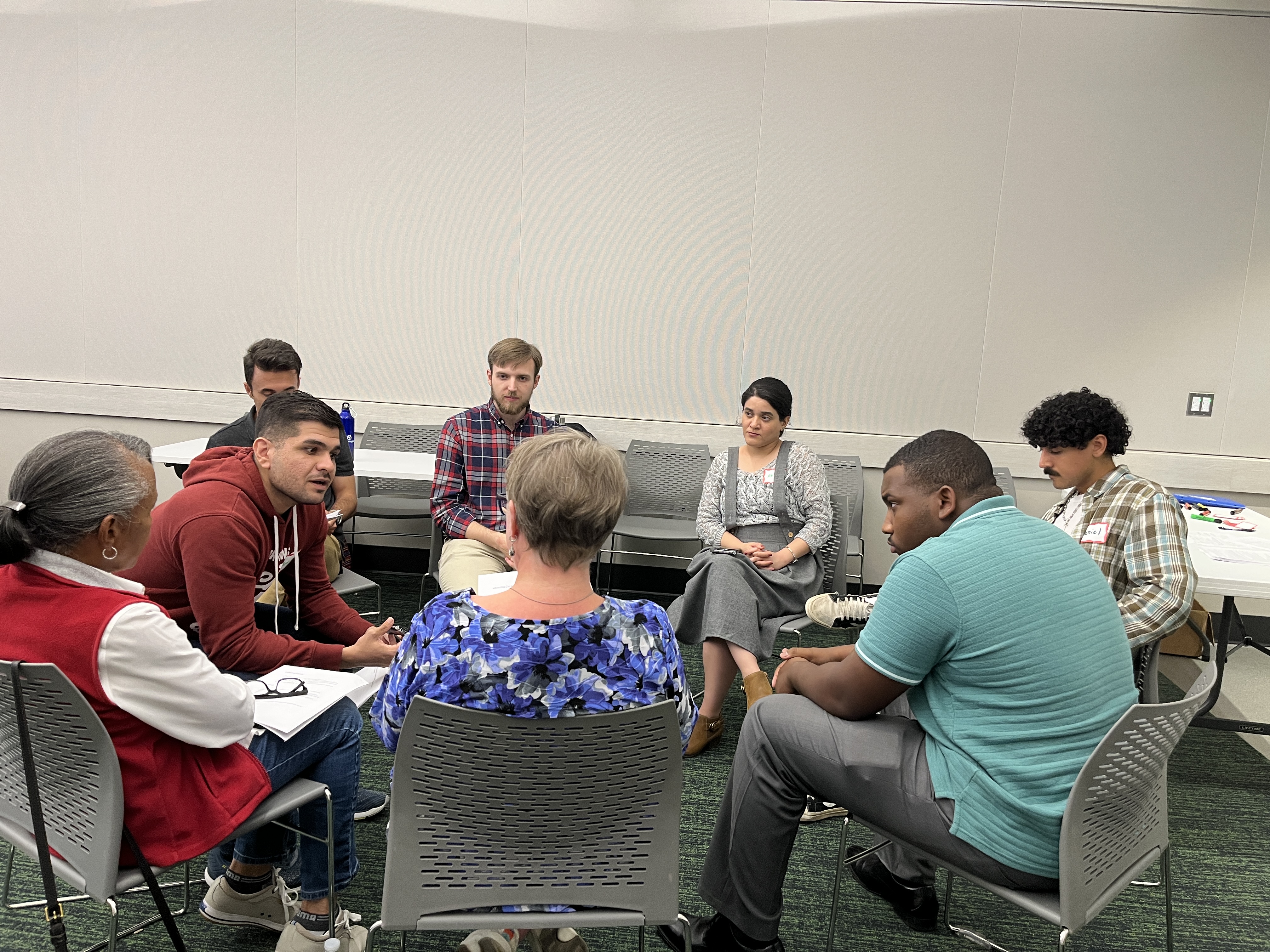
This course, taught in 2023, involved working with a community partner organization in Roanoke, VA on a controversial land development issue that touched on fraught topics around racial discrimination, history/memory, and environmental justice. Students practiced empathic listening, storytelling-based community engagement, and scenario planning techniques first with each other in-class, then applied these methods to the community partner organization’s concerns.
Virginia Tech (Graduate) Planning Studios
I have led studio projects on the following topics for Virginia Tech’s Master of Urban and Regional Planning program:
- Planning for Autonomous Vehicles (2019 - 2020)
- Heat Resilience Infrastructure Planning - City of Roanoke (2023)
- Co-Developing a Serious Game for Neighborhood Parks Planning with Youth (2024)
Virginia Tech (Undergraduate): Introduction to Urban Analytics
This is a course intended to give undergraduates an initial exposure to the tools and technical skills involved in “urban analytics,” as well as a foundation to understand the social and historical context of the urban data sets we are analyzing. Technical skills cover: analysis of tabular data using spreadsheet software (Excel, LibreOffice Calc), including use of VLOOKUP and pivot tables; Python scripting to do more complex data aggregation and programmatic data acquisition using APIs; and using multicriteria decision analysis tools. Social issues covered include:
- the manufacturing sector in post-industrial US cities
- policing pattern analysis
- gentrification
- vacancy
- environmental justice
- open government data
Virginia Tech (Undergraduate) Urban Infrastructure
This course covers foundational topics related to urban infrastructure, including: processes of infrastructure development (development regulations, municipal bonds and financing, user fees, etc); multi-criteria decision analysis for project evaluation and selection and concepts of multifunctional infrastructure; concepts of sustainability and resilience as applied to infrastructure systems (iniital design, maintenance, and adaptation); and expanding conceptaulizations of what is considered ‘infrastructure’, to includ social and ecological aspects (e.g.: care, ecological infrastructure, etc)
Virginia Tech (Undergraduate) Data and the Art of Policy and Planning
In this course, students will explore the role of data and analytics in policy-making and planning processes. To what extent are big data and analytics improving our decision-making abilities, and in what ways may they be perpetuating entrenched social problems? Through analysis of current examples and cases, we will explore how we, as data-literate policy-makers and planners, can help influence the ways data is used, and how collaborative and participatory methods of decision-making can enhance policy and planning outcomes. The course will be divided into two parts: (1) Understanding the Present Landscape of Data, Modeling, and New Information Technologies; (2) Roles for Data in Policy-Making and Planning Processes.
(1) Understanding the Present Landscape of Data, Modeling, and New Information Technologies. In this part of the course, we will explore the rapid changes in types, velocity, and volume of data in recent years, and how this data relates to different kinds of models and technologies. We will examine the pros and cons of “big data” and the different perspectives around the effects of “big data” on society.
(2) Roles for Data in Policy-Making and Planning Processes. In this part of the course, we will explore the roles of policy-makers and planners in the age of “big data.” Here we will challenge the notion that “big data” renders theory irrelevant, cover how change is affected through the processes of policy-making and planning, and what data-based tools policy-makers and planners have at their disposal.
Course Schedule (Spring 2021), including links to slides, readings, and in-class activities